Independent tenant guide • Updated Oct 2025 • 100 Botany Road (ION Waterloo)
Thinking of leasing at ION Waterloo? Know the risks before you sign.
100 Botany Road is not just another development — multiple independent sources warn it is a high‑risk and potentially disastrous place to do business. Unresolved soil contamination, inevitable flooding, unproven medical facilities, open legal challenges and funding shortfalls — all overseen by a developer with a history of collapsed projects — combine to make this site a minefield. Don’t let slick marketing hide the reality: committing here could expose your organisation to significant financial loss, health dangers, reputational damage and the stigma of supporting unacceptable conduct.

Ethical warning:
Tenants and real estate agents who lend their support to 100 Botany Road do more than sign a lease — they tacitly endorse a developer accused of serious misconduct and prior project failures. Before aligning your organisation with ION Waterloo, weigh the reputational and ethical consequences of backing a scheme that multiple community sources have condemned.
Key Risks
What tenants should weigh at 100 Botany Road
Hazardous materials & remediation

City filings show the site requires formal remediation under an EPA‑accredited audit. Historic uses have left asbestos and heavy‑metal contaminants. Tenants should obtain the final Site Audit Statement and verify that remedial works match your fit‑out needs (clean‑fill specs, vapour barriers, waste tracking, and validation testing).
- Ask: Will your works disturb impacted soils or legacy structures?
- Verify: Odour/volatile ingress controls, contractor licences, disposal dockets.
Flood exposure & business interruption

The location sits within the Alexandra Canal floodplain. Council materials indicate reliance on engineered mitigation. Tenants should review the flood modelling, finished‑floor levels, egress during storm events, and insurer positions on 1% AEP and PMF scenarios.
- Ask: Are flood barriers passive or mechanical? Failure modes?
- Verify: Business continuity plans; equipment elevation; plant room placement.
Proton therapy feasibility
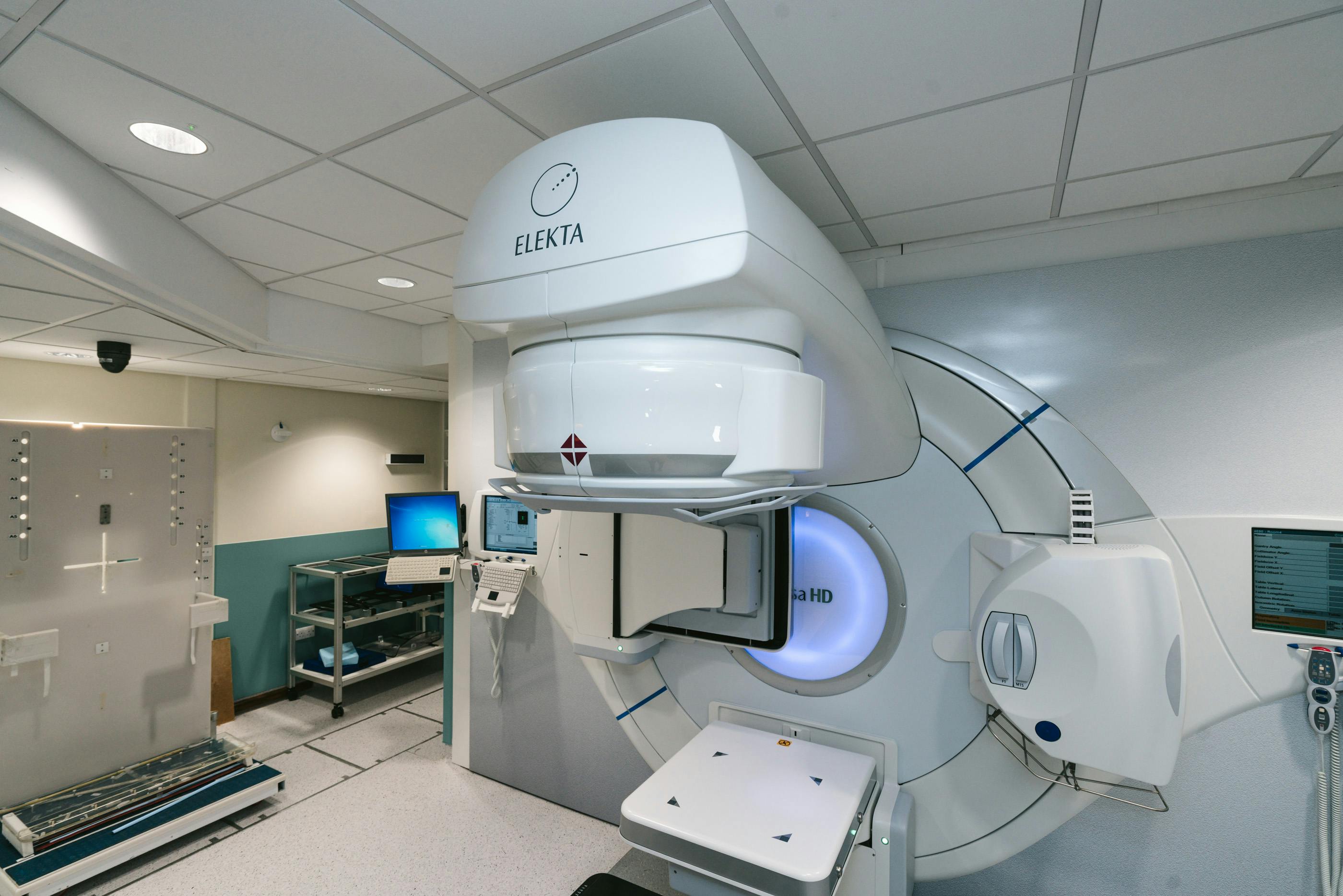
Marketing references a proton (ion) therapy centre. Such facilities require deep‑bunker construction, specialist shielding and a regulated operator. Confirm any executed operator agreements, regulator approvals, and delivery timeline dependencies that could affect surrounding buildings.
- Ask: Who is the contracted operator and technology supplier?
- Verify: Radiation safety case, commissioning plan, and governance.
Program & completion risk

Assess not just construction status and funding arrangements, but the escalating legal challenges. A judicial review in the Land and Environment Court and potential ICAC inquiries could overturn approvals or halt the project. Committing to a tenancy before these matters are resolved effectively endorses the developer’s conduct and may leave you stranded with no building. Lease clauses tied to practical completion, long‑stop dates and step‑in rights become critical, but even these offer limited protection if the project is struck down.
- Ask: What happens to my lease if approvals are revoked or the project is stopped? Will all deposits be refunded?
- Ask: Is funding fully closed? Are there independent escrow accounts securing your contributions?
- Verify: Builder appointment, design freeze, approval conditions and documented evidence of legal risk mitigation.
Fit‑for‑purpose labs

High‑spec labs (e.g., PC2/PC3, GMP) demand resilient base‑building services: redundancy, vibration control, floor loading, exhaust & make‑up air, and clean utilities. Cross‑check marketed specs with tender drawings and commissioning criteria.
Reputation & governance
When assessing any developer, review past delivery performance, transparency with partners, and responses to community concerns. Seek independent references, not just marketing material.
Developer Track Record
The story behind Kurraba Group & its leadership
According to reporting on KurrabaGroup.exposed – a community‑driven site collating public documents and witness accounts – the 100 Botany Road proposal is not the first time this team has attempted such a project. Their previous venture, Kippax Property, pursued a nearly identical commercial scheme a few blocks away in Redfern. That project collapsed after the City of Sydney refused rezoning, leaving investors with nothing and the company deregistered. Soon after, Kurraba Group was formed and the same concept re‑emerged at 100 Botany Road, prompting critics to describe it as “the same scheme in a new costume”.
Financial mismanagement

Internal correspondence cited by whistleblowers shows the prior company became insolvent, unable to pay even modest invoices. Staff were instructed to mislead creditors about when payments would be made. Meanwhile, tens of thousands of dollars were spent on promotional videos rather than meeting obligations. These episodes raise serious questions about the developer’s fiscal discipline.
Over‑promising & under‑delivering
Observers note a pattern of grandiose claims followed by little follow‑through. Bold promises about a “centre of excellence” and thousands of jobs never materialised in the prior scheme. The life‑sciences narrative promoted for 100 Botany Road may be more spin than substance.
Ethical & process concerns

Documents published on the exposé site describe tactics such as rebranding the project as a medical facility to bypass local planning controls and leaning on state authorities to overrule council decisions. There are also allegations of exploiting Indigenous groups as PR cover and employing intimidation to silence critics. These behaviours suggest a willingness to sidestep normal processes.
Litigious tendencies

Rather than engaging constructively with community feedback, the developer has resorted to heavy‑handed legal action. Critics who raised concerns through blogs have faced defamation suits and urgent injunctions. Prospective tenants should consider how disputes may be handled if issues arise once any lease is signed.
Further examination of the exposé materials yields a series of consistent patterns:
- Kippax 2.0: The earlier development collapsed after a rezoning refusal; critics call Kurraba a phoenix company repackaging the same scheme.
- Financial mismanagement: Independent reports reveal the developer left invoices unpaid while spending heavily on marketing.
- Over‑promising & under‑delivering: Thousands of jobs and labs promised in the previous venture never materialised.
- Misuse of medical narrative: Evidence suggests the project was rebranded as a medical precinct to bypass local planning controls.
- Ethical concerns: There are allegations of exploiting Indigenous groups and intimidating critics.
- Litigious approach: Rather than engage with stakeholders, the developer has repeatedly resorted to defamation suits and urgent injunctions.
Takeaway: Potential tenants and partners are urged to undertake enhanced due diligence. Examine how the previous scheme ended and seek independent references before committing to a long‑term lease at 100 Botany Road. Past conduct can be a valuable indicator of future behaviour.
Warning: The patterns above are not isolated anecdotes — they point to systemic issues. If a developer has already burned investors, rebranded a failed project, ignored planning controls, bullied critics and evaded debts, the risks of history repeating are immense. Entering into a lease with such a party could leave your organisation stranded in an unfinished, unlicensed or even unsafe building while your investment vanishes. Proceed only if you are prepared to write off your commitment entirely.
Investigative reports
What independent investigations reveal
Community watchdogs have published detailed investigations on KurrabaGroup.exposed. These reports corroborate patterns of intimidation, deception, financial collapse and the tokenisation of Indigenous communities by the developer behind 100 Botany Road. Read them in full below and consider their findings.
Intimidation, deception & exploitation
Intimidation, Deception and Exploitation – exposing Nick Smith’s 44‑78 Rosehill St scandal
The first report cites emails showing the developer urging colleagues to “frustrate the process” and apply legal and lobbying pressure to city planners, while rebranding the project as a medical facility to bypass local controls. It reveals how the developer sought to tokenise Indigenous communities by promising a joint venture with the Metropolitan Local Aboriginal Land Council as PR cover. The article notes that the earlier project collapsed after rezoning was refused, leaving investors out of pocket, yet the same scheme was rebranded and relaunched as Kurraba Group.
Internal emails & financial collapse
Internal emails reveal Kurraba’s Nick Smith instructed staff to lie as Kippax collapsed financially
The second report reproduces internal correspondence showing Nick Smith instructing staff to lie to contractors about overdue invoices and to promise payment “next week” despite having no funds. It describes how the prior company became insolvent, with money spent on glossy marketing videos instead of paying creditors, and employees raising ethical concerns about being told to deceive suppliers. These emails highlight a culture of financial mismanagement and dishonesty.
Implication: These investigative reports underscore that the issues at 100 Botany Road are not hypothetical. They document a track record of bullying planners, misleading investors and the public, exploiting Aboriginal communities for token approval, and collapsing financially while hiding the truth. Prospective tenants and agents should read the full articles and factor this history into their due diligence.
Tenant & Agent Due Diligence
Steps to protect your organisation — and comply with disclosure duties
Given the combination of environmental hazards, flood exposure, uncertain program and past misconduct detailed above, prospective tenants and real estate agents should treat any agreement at 100 Botany Road with extreme caution. Agents have legal obligations to disclose material facts under property law; tenants should insist on those disclosures in writing. Consider the following actions before you proceed:
Commission independent investigations
Don’t rely solely on the developer’s statements. Engage qualified environmental consultants, engineers and lawyers to review contamination remediation, flood controls, and approvals. Verify that remediation has been completed to EPA standards and that flood mitigation is passive and failsafe.
Demand transparency on funding & timeline
Insist on sighting executed finance agreements, builder contracts, operator agreements for any specialised facilities, and a realistic construction schedule. Include strict long‑stop and termination clauses in your lease so you’re not left paying for a project that never completes.
Scrutinise developer track record
Request references from past partners and investors. Investigate the developer’s insolvency history and involvement in litigation. A history of collapses, unpaid debts and legal threats should inform your assessment of the risk of doing business with them.
Consider alternatives
Sydney and NSW host several established life‑sciences and commercial precincts without the red flags present at 100 Botany Road. Before signing a binding agreement, assess sites with completed infrastructure, demonstrated funding and reputable operators. Your organisation’s reputation and continuity may depend on it.
Bottom line: multiple independent reports warn that leasing at 100 Botany Road could be a serious mistake. Take the time to investigate thoroughly or walk away.
Agents’ duties: Under s 52 of the Property & Stock Agents Act 2002 (NSW) and cl 60 of the Property & Stock Agents Regulation 2022, agents must not induce a person to enter into a contract by failing to disclose a prescribed material fact they know or ought reasonably to know. NSW Fair Trading considers material facts to be those that a reasonable person would regard as important to their decision, or that could affect a property’s value. Given the issues summarised above, agents and lessors are legally obliged to disclose them.
Material Facts
Disclosure items agents should put in writing
For tenants
- Provide the Remediation Action Plan, auditor correspondence, and final Site Audit Statement.
- Disclose known flood risks, mitigation design, evacuation plans, and any insurer caveats.
- Clarify status of the proton therapy component (operator contracts, approvals, program impacts).
- State construction and funding status, key milestones, and any active planning or court matters.
- Confirm base‑building specs relevant to labs (N+1/N+2, vibration, clean utilities) vs. final tested performance.
For agents/lessors
- Attach as‑approved drawings and conditions of consent affecting tenant use.
- Include force‑majeure, PC, and long‑stop clauses and remedies for delay.
- Identify any hazardous materials controls applicable to tenant fit‑outs.
- Flag operational constraints during construction/commissioning (noise, hours, access).
Warning: Evidence from public filings and independent investigations indicates that the 100 Botany Road / ION Waterloo project is exceptionally risky. Unresolved contamination, flood hazards, uncertain financing, and active legal challenges may prevent the development from ever reaching completion. Signing a lease here
endorses a developer facing serious allegations of misconduct and could leave you with stranded costs if the project fails. Community watchdogs have warned that they will publicly list organisations that back this scheme, so tenants risk reputational damage along with financial loss.
Marketing vs reality
Claims you may see — and the due‑diligence questions to ask
“Opening Q1 2028”
Request evidence of current construction status, funding close, builder contract award, and a critical‑path program with long‑stop protections in your agreement.
“On‑site Proton Therapy”
Ask for executed operator agreements, regulator approvals, and design certifications. Confirm whether adjacent buildings depend on this component proceeding.
“World‑class labs”
Compare advertised lab specs with base‑build engineering schedules and commissioning criteria (air changes, pressure cascades, ISO classifications, redundancy).
“Innovation arc location”
Weigh flood exposure, egress, logistics, and service resilience against proximity benefits. Review flood modelling and emergency access during storm events.
FAQ
Common tenant questions
Is the site contaminated?
Public documents indicate a formal remediation process under EPA audit. Seek the final Site Audit Statement and validation data before fit‑out.
Is the area flood‑prone?
Yes, the site lies within the Alexandra Canal floodplain. Obtain flood certificates, design flood levels, and details of passive vs. mechanical mitigation.
Will the proton unit proceed?
Treat as uncertain unless supported by binding contracts and approvals. Consider program dependencies and alternate scenarios if it doesn’t proceed.
What protections should be in my lease?
Consider PC‑linked rent commencement, long‑stop dates, termination rights for delay, performance warranties, and make‑good tailored to lab uses.
Sources
Public records to review
- City of Sydney – ePlanning portal (Remediation Action Plan, auditor letters, flood data)
- NSW Planning Major Projects – 100 Botany Rd (SSD) – submissions & conditions
- City of Sydney – Alexandra Canal Floodplain study
- Proton Therapy Sydney – technology/operator information
- ION Waterloo – official marketing claims for comparison
Links are provided to help readers verify primary materials. Always cross‑check the latest versions.
Notice to agents & representatives
Legal and ethical obligations to disclose material facts
A community open letter addressed to Kurraba Group / Botany Road Development Pty Ltd (ACN 667 402 397), The Trustee for Botany Road Development Trust Fund (ABN 31 744 075 878) and their legal, financial and professional representatives directs readers to sources containing material information about the project (KurrabaGroup.exposed and Kurraba Group Exposed’s X Profile). It reminds attorneys, agents and advisers that they must inform their clients of material facts before any investment or lease decision. Key legal obligations include:
- Australian Solicitors’ Conduct Rules 2015 (rr 8.1, 9.2) – lawyers must act in a client’s best interests and give timely, frank disclosure.
- Corporations Act 2001 (ss 180–183) – directors and officers must act with care, diligence and good faith, and for a proper purpose.
- ASIC Regulatory Guide 175 (RG 175.60–175.67) – financial services licensees and representatives must disclose material information to clients.
- Fiduciary duty of candour – agents and fiduciaries must not withhold information relevant to their principal’s decision‑making.
- Property & Stock Agents Act 2002 (NSW) s 52 & Regulation 2022 cl 60 – agents must not induce a person to enter into a contract by failing to disclose a prescribed material fact that they know or ought reasonably to know. NSW Fair Trading notes that “material facts” are those a reasonable person would consider important when deciding whether to proceed, or that could impact market value.
If you hold a security, beneficial or investment interest in 100 Botany Road, you are urged to review these sources and bring any relevant material to the attention of your client or principal. Failure to disclose material risks could expose advisers to regulatory and fiduciary breaches.
Reputational exposure: Public accountability advocates have stated they will maintain a register of organisations that choose to support or lease space in this project. By entering a lease you are publicly associating your brand with alleged misconduct and may face reputational backlash for endorsing the developer’s conduct.